Wednesday, 3 March 2021

February films

I watched 51 films in February with 17 of those directed by women. Overall 16 were rewatches. I’m continuing to rewatch Mark Cousins’ Women Make Film a bit at a time too. Its miserable that so many of the films he showcases aren't available.


I visited Greece, Germany, Austria, the US, Denmark, the UK, Finland, Lesotho and Italy on my cinematic journey. Why did I watch these particular films? Letterboxd reviews jogged my memory; Christopher Plummer died; continuing my Jessica Hausner obsession from January; Reading about Boarding Gate in a Nick Pinkerton article started an Olivier Assayas journey; witches; subscriptions to Mubi, BFI Player and Netflix. 

Lows? Jeremiah Johnson (!!) & The Goodbye Girl.

Highlights? The films with an asterisk are ones I would urge everyone to watch but honestly I’d recommend 80% of them. And I am LOVING my Olivier Assayas journey...which has now led me to a complete Mia Hansen-Løve rewatch too.

Weird Wednesday Night: Penda’s Fen & Valerie and Her Week of Wonders

Feminist Friday: Be Natural & Girlfriends
Alternate Feminist Friday: Sherrybaby & Clean

Horror Night: The Witch & The White Reindeer (and/or A Girl Walk's Home Alone at Night)

Silent Sunday afternoon: Diary of a Lost Girl

With the onset of Spring, and because I’m also managing to read a little – mainly about films and film theory (!) this will now slow down. More quality hopefully in my analysis.

Here is the full list in the order I watched them:
1. Attenburg (2010) (Athina Rachel Tsangari)
2. They Might be Giants (1971) (Anthony Harvey)
3. A Girl Walks Home Alone at Night (2014) (Ana Lily Amirpour)*
4. Appropriate Behaviour (2014) (Desiree Akhavan)
5. Lovely Rita (2001) (Jessica Hausner)
6. Kajillionaire (2020) (Miranda July)*
7. The Goodbye Girl (1977) (Herbert Ross)
8. Girlfriends (1978) (Claudia Weill)*
9. Beginners (2010) (Mike Mills)
10. The Sound of Music (1965) (Robert Wise)
11. Hotel (2004) (Jessica Hausner)
12. Lourdes (2009) (Jessica Hausner)*
13. The Passion of Joan of Arc (1928) (Carl Theodor Dreyer)*
14. Day of Wrath (1943) (Carl Theodor Dreyer)*
15. Vampyr (1932) (Carl Theodor Dreyer)
16. Ham on Rye (2019) (Tyler Taormina)
17. Splash (1984) (Ron Howard)
18. News of the World (2020) (Paul Greengrass)
19. Minority Report (2002) (Steven Spielberg)
20. The Matrix (1999) (Lilly Wachowski & Lana Wachowski)
21. Penda’s Fen (1974) (Alan Clarke)
22. Near Dark (1987) (Kathryn Bigelow)
23. Valerie and her Week of Wonders (1970) (Jaromil Jireš)
24. The White Reindeer (Erik Blomberg)*
25. Diary of a Lost Girl (1929) (G.W. Pabst)*
26. Innocent Blood (1992) (John Landis)
27. Viva Maria! (1965) (Louis Malle)
28. Sherrybaby (2006) (Laurie Collyer)
29. Be Natural: The Untold Story of Alice Guy-Blaché (2018) (Pamela B. Green)*
30. Jeremiah Johnson (1972) (Sydney Pollack)
31. Boarding Gate (2007) (Olivier Assayas)
32. Summer Hours (2008) (Olivier Assayas)
33. Wasp Network (2019) (Olivier Assayas)
34. Personal Shopper (2016) (Olivier Assayas)*
35. Demonlover (2002) (Olivier Assayas)*
36. Clouds of Sils Maria (2014) (Olivier Assayas)*
37. Charlie’s Angels (2019) (Elizabeth Banks)
38. Something in the Air (2012) (Olivier Assayas)
39. Mona Lisa Smile (2002) (Mike Newell)
40. Non Fiction (2008) (Olivier Assayas)
41. And Breathe Normally (2019) (Ísold Uggadóttir)
42. The Demons (1973) (Jesús Franco)
43. The Devils (1971) (Ken Russell)*
44. The Edge of Seventeen (2016) (Kelly Fremon Craig)
45. The Kids Are Alright (2010) (Lisa Cholodenko)
46. This Is Not a Burial, It's a Resurrection (2019) (Lemohang Jeremiah Mosese)*
47. Clean (2004) (Olivier Assayas)*
48. Irma Vep (1996) (Olivier Assayas)*
49. Beyond Clueless (2014) (Charlie Shackleton)
50. The Witch (2015) (Robert Eggers)*
51. Goodbye First Love (2012) (Mia Hansen-Løve)

You can read find individual reviews and thoughts here: 
My profile on Letterboxd https://letterboxd.com/GarethavonB


Friday, 5 February 2021

January films 2021

I watched 46 films in January with 18 of those directed by women. Overall 16 were rewatches. I’m also rewatching Mark Cousins’ Women Make Film a bit at a time. 


Lots of really great films here and only Chain Reaction is a complete waste of time.

I visited Germany, the US, South Korea, Norway, France, Japan, Australia, Finland and Sweden on my cinematic journey. Why did I watch these particular films? Following interesting people on Letterboxd throws up films I’ve never heard of or forgotten; I got to Elaine May from Mark Cousins; I’ve been meaning to watch early Koreeda for an age; searching out films because of LGBTQ History Month; Dolly Parton’e birthday; snowfall; realising toward the end of the month I hadn’t watched enough films by women (very unlike me); subscriptions to Mubi, BFI Player and Netflix. 

Highlights? Discovering Elaine May; the wonder and compassion of early Koreeda; passions for Jessica Hausner and Marielle Heller; finally watching Blind and In the Cut; rewatching Gas Food Lodging, Peppermint Soda and Pariah; the joy of Alice Júnior; one film leading to another for comparison. 
The films with an asterisk are ones I would urge everyone to watch but that’s probably unfair because I’m still thinking about several others. 


A great Sunday afternoon triple bill would be Mermaids, This is my Life and Gas Food Lodging – all films about a single mum with two daughters.

A great Saturday night Horror double bill would start with Creepy and finish with Little Monsters.

I’m still having problems with concentration and depression – I’m finding lockdown hard – but watching in bulk is starting to help me think, make comparisons and contrasts and ask better questions. Watching Koreeda and Hausner you can’t help but consider the movements of the camera and careful painterly framing and compositions – their effect and the way they can construct/influence meaning. Watching Elaine May’s two films and then reading these two essays (https://www.brightwalldarkroom.com/2019/09/09/the-heartbreak-kid-elaine-may1972/) (https://www.newyorker.com/culture/richard-brody/screening-alert-elaine-mays-masterful-heartbreak-kid) helped me to think more again about direction – and what might constitute different types of good/bad/effective/distinctive direction.  

Here is the full list in the order I watched them:
1. Good Posture (2019) (Dolly Wells)
2. System Catcher (2019) (Nora Fingscheidt)
3. Parasite (2019) (Bong Joon-ho)
4. Safety Not Guaranteed (2012) (Colin Trevorrow)
5. I’m Thinking of Ending Things (2020) (Charlie Kaufman)
6. Mermaids (1990) (Richard Benjamin)
7. Holiday Affair (1949) (Don Hartman)
8. Folklore: The Long Pond Studio Sessions (2020) (Taylor Swift)
9. Legally Blonde (2001) (Robert Luketic)
10. Chain Reaction (1996) (Andrew Davis)
11. Blind (2014) (Eskil Vogt) *
12. Only the Animals (2019) (Dominik Moll)
13. Sneakers (1992) (Phil Alden Robinson)
14. This is my Life (1992) (Nora Ephron)
15. Creepy (2016) (Kiyoshi Kurosawa)
16. Maborosi (1995) (Hirokazu Kore-eda) *
17. Babyteeth (2019) (Shannon Murphy) *
18. Alice in the Cities (1974) (Wim Wenders)
19. A New Leaf (1971) (Elaine May)*
20. The Heartbreak Kid (1972) (Elaine May)
21. Little Monsters (2019) (Abe Forsythe)
22. Rare Exports: A Christmas Tale (2010) (Jalmari Helander)
23. February (The Blackcoat’s Daughter) (2015) (Oz Perkins)
24. Jennifer’s Body (2009) (Karyn Kusama)
25. Instant Family (2018) (Sean Anders)
26. Nine to Five (1980) (Colin Higgins)
27. Alice Júnior (2019) (Gil Baroni)
28. The Duke of Burgundy (2014) (Peter Strickland)
29. The Ghost and Mrs. Muir (1947) (Joseph L. Mankiewicz)
30. After Life (1998) (Hirokazu Kore-eda) *
31. TransSiberian (2008) (Brad Anderson)
32. Cactus Flower (1969) (Gene Saks)
33. Peppermint Soda (1977) (Diane Kurys)
34. The Apartment (1960) (Billie Wilder) *
35. G.B.F. (2013) (Darren Stein)
36. About Endlessness (2019) (Roy Andersson)
37. In the Cut (2003) (Jane Campion) *
38. J.T.Leroy (2018) (Justin Kelly)
39. The Diary of a Teenage Girl (2015) (Marielle Heller)
40. Can You Ever Forgive Me? (2018) (Marielle Heller) *
41. The Savages (2007) (Tamara Jenkins)
42. Gas Food Lodging (1992) (Allison Anders) *
43. Infinitely Polar Bear (2014) (Maya Forbes)
44. Pariah (2011) (Dee Rees) *
45. Little Joe (2019) (Jessica Hausner)
46. Amour Fou (2014) (Jessica Hausner)*

My Letterboxd diary is here: https://letterboxd.com/garethavonb/films/diary/ and for each film I wrote a paragraph or two. 

For February…
In the mood for loneliness and longing: How Wong Kar Wai depicts emotion (https://www.bfi.org.uk/features/mood-love-wong-kar-wai-emotion)
Wong Kar Wai season coming to BFI Player and the ICA’s Cinema 3 throughout February 2021
(https://www.bfi.org.uk/news/wong-kar-wai-season) 

Friday, 29 January 2021

The 'BFI’s 100 Greatest Films of All Time’ revisited


I’m slowly rewatching Mark Cousins’ Women Make Film and it made me want to revisit the BFI’s 100 Greatest Films of All Time – their regular survey, done every ten years. It was last done in 2012 so clearly we are on the cusp of a new one. Of those hundred films 87 are directed by white men, 11 by Asian men (Japan, China, India, Iran and Taiwan) and 2 by women – one Belgian (Chantal Akerman) and one French (Claire Denis). To be clear I’ve seen nearly all the films and most of them I’ve either admired or loved at some point in my life; and, of course I understand that the history of cinema has been dominated by white men.


I thought about getting the numbers for the critics and directors who took part in the survey but life is too short! According to the BFI they tried to be much more democratic than ever before and “approached more than 1,000 critics, programmers, academics, distributors, writers and other cinephiles, and received (in time for the deadline) precisely 846 top-ten lists that between them mention a total of 2,045 different films” They also conduct a separate director’s poll and around 350 directors sent lists. I spent a little bit of time going through the contributors and though the BFI succeeded in including larger numbers of people from around the world, white men, again unsurprisingly, dominate. 
Their criteria was pleasingly open: “As a qualification of what ‘greatest’ means, our invitation letter stated, “We leave that open to your interpretation. You might choose the ten films you feel are most important to film history, or the ten that represent the aesthetic pinnacles of achievement, or indeed the ten films that have had the biggest impact on your own view of cinema.”

It seems to me fairly obvious that cineastes have a duty l to celebrate the voices and skills of women, of men and women of colour, as well as the LGBTQ community. Anyone’s definition of ‘best’ or of ‘historical importance’ is a matter of strategy, effort, rediscovery and critical thought – even when taking taste and personal preferences into account.

I decided to set myself some rules to create some Top 10 of All Time lists that had to include films directed by women and by men and women of colour. 

1. The first has to include a film from each decade since the 30s (30s, 40s, 50s, 60s, 70s, 80s, 90s, 00s, 10s) allowing the tenth from 2020 or repeating any other decade. 
2. The second, easier, list has to include a film from every continent but with a slight adjustment – so at least one film from Africa, Asia, Australia, Europe, the US and one from any other part of North or South America. Thus those without any knowledge of South American cinema can choose something from maybe Mexico or Canada. The other four could be from anywhere.
3. I appreciate that people who mostly confine their viewing to particular genres or Hollywood fare might find these too difficult and so the third and easiest was with no restrictions or rules.

In all the lists I leave it up to you to judge what is an acceptable number of white male directors! And yeah, I’m no slave to auteur theory but doing it by director is the easiest way to keep it relatively simple.

Need some help?

• The All-Time Greatest Films Directed by Women (indiewire)
• The 100 greatest films directed by women (BBC)
• Top 100 films directed by women: A new golden age of cinema? (BBC)
• Films Directed by Women (Mubi)
• The female gaze: 100 overlooked films directed by women (BFI)
• The Black Film Canon (Slate)
• Best films of the decade (by women of colour) (Offscreen) 
• 85 Compelling Films Starring and/or Directed By Women of Color: A List Created by Director Ava DuVernay & Friends on Twitter (Open Culture)  
• The Best Black Movies of the Last 30 Years (Complex) 
• Film HERstory: 75+ Classic Films Directed by Women (and Where You Can Watch Them) (Nitrate Diva)
• 10 great British films directed by women (BFI)
• The 100 best feminist films of all time (TimeOut)
• The 100 Best Films of the 1930s (Mubi)
• 10 Influential Female Directors From the Silent Film Era (Reel Rundown)
• The best Japanese film of every year – from 1925 to now (BFI)
• The 25 Best Latin American Films of the 2010s (remezcla)
• The 50 Best Latin American Films of the 2000s (remezcla)

The lists

List 1a – The Decades
1. 1939 - The Story of the Last Chrysanthemums (Kenji Mizoguchi)
2. 1947 - One Wonderful Sunday (Akira Kurosawa)
3. 1952 - Singin' in the Rain (Stanley Donen) 
4. 1966 – Daisies (Věra Chytilová)
5. 1979 – My Brilliant Career (Gillian Armstrong)
6. 1985 – Desert Hearts (Donna Deitch)
7. 1999 – All About My Mother (Pedro Almodóvar)
8. 2004 - La Niña Santa (Lucretia Martel)
9. 2016 – Moonlight (Barry Jenkins) 
10. 2019 – You Were Never Really Here (Lynne Ramsay)


List 1b – The Decades
1. 1930 – The Blue Angel (Josef von Sternberg)
2. 1948 - Late Spring (Yasujirō Ozu)
3. 1957 – Pyaasa (Guru Dutt)
4. 1966 – The Great Silence (Sergio Corbucci)
5. 1971 – A New Leaf (Elaine May)
6. 1983 – Sugar Cane Alley (Euzhan Palcy)
7. 1996 – Bound (Lana Wachowski, Lilly Wachowski)
8. 2008 - The Headless Woman (Lucrecia Martel)
9. 2015 – Mad Max: Fury Road (George Miller)
10. 2019 – Portrait of a Woman on Fire (Céline Sciamma)


List 1c – The Decades
1. 1938 – Bringing Up Baby (Howard Hawks)
2. 1941 – The Lady Eve (Preston Sturges)
3. 1954 – Seven Samurai (Akira Kurosawa)
4. 1962 – Cleo from 5 to 7 (Agnes Varda)
5. 1978 – Killer of Sheep (Charles Burnett)
6. 1989 –  Do the Right Thing (Spike Lee)
7. 1999 – Beau Travail (Claire Denis)
8. 2009 – Wendy and Lucy (Kelly Reichardt)
9. 2014 – A Girl Walks Home Alone at Night (Ana Lily Amirpour)
10. 2018 – Can You Ever Forgive Me? (Marielle Heller)

List 2a – The Continents 
1. Africa: Cairo Station (Youssef Chahine) (1958)
2. Asia: Maborosi (Hirokazu Kore-eda) (1995)
3. Australia: Picnic at Hanging Rock (Peter Weir) (1975)
4. Europe: Let the Right One In (Tomas Alfredson) (1981)
5. US: Selma (Ava DuVernay) (2015)
6. North/South America: Zama (Lucrecia Martel) (2017)
7. In the Cut (Jane Campion) (2003)
8. Queen and Slim (Melina Matsoukas)( (2019)
9. Blade Runner (Ridley Scott) (1982)
10. D.E.B.S. (Angela Robinson) (2004)

List 2a – The Continents 
1. Africa: Abouna  (Mahamet-Saleh Haroun) (2002)
2. Asia: Sonatine (Takeshi Kitano) (1993)
3. Australia: The Piano (Jane Campion) (1993)
4. Europe: L'Avventura (Michelangelo Antonioni) (1960)
5. US: Logan (James Mangold) (2017)
6. North/South America: Gloria (Sebastían Lelio) (2013)
7. Eve's Bayou (Kasi Lemmons) (1997)
8. The Long Kiss Goodnight (Renny Harlin) (1996)
9. But I'm a Cheerleader (Jamie Babbit) (1999)
10. Vagabond (Agnès Varda) (1985) 

List 3a – Free for all
• Spirited Away (Hayao Miyazaki) (2001)
• Alien (Ridley Scott) (1979)
• Toni Erdmann (Maren Ade) (2015)
• Shoplifters (Hirokazu Koreeda) (2018)
• Dance, Girl, Dance (Dorothy Arzner) (1940)
• Pariah (Dee Rees) (2011)
• 12 Years A Slave (Steve McQueen) (2013) 
• Taste of Cherry (Abbas Kiarostami) (1997)
• The Apartment (Billy Wilder) (1960)
• Saint Maud (Rose Glass) (2019)

List 3b – Free for all
• Kill Bill: Vol I (Quentin Tarantino) (2001)
• Rocks (Sarah Gavron) (2020)
• Daughters of the Dust (Julie Dash) (1991)
• Rashomon (Akira Kurosawa) (1950)
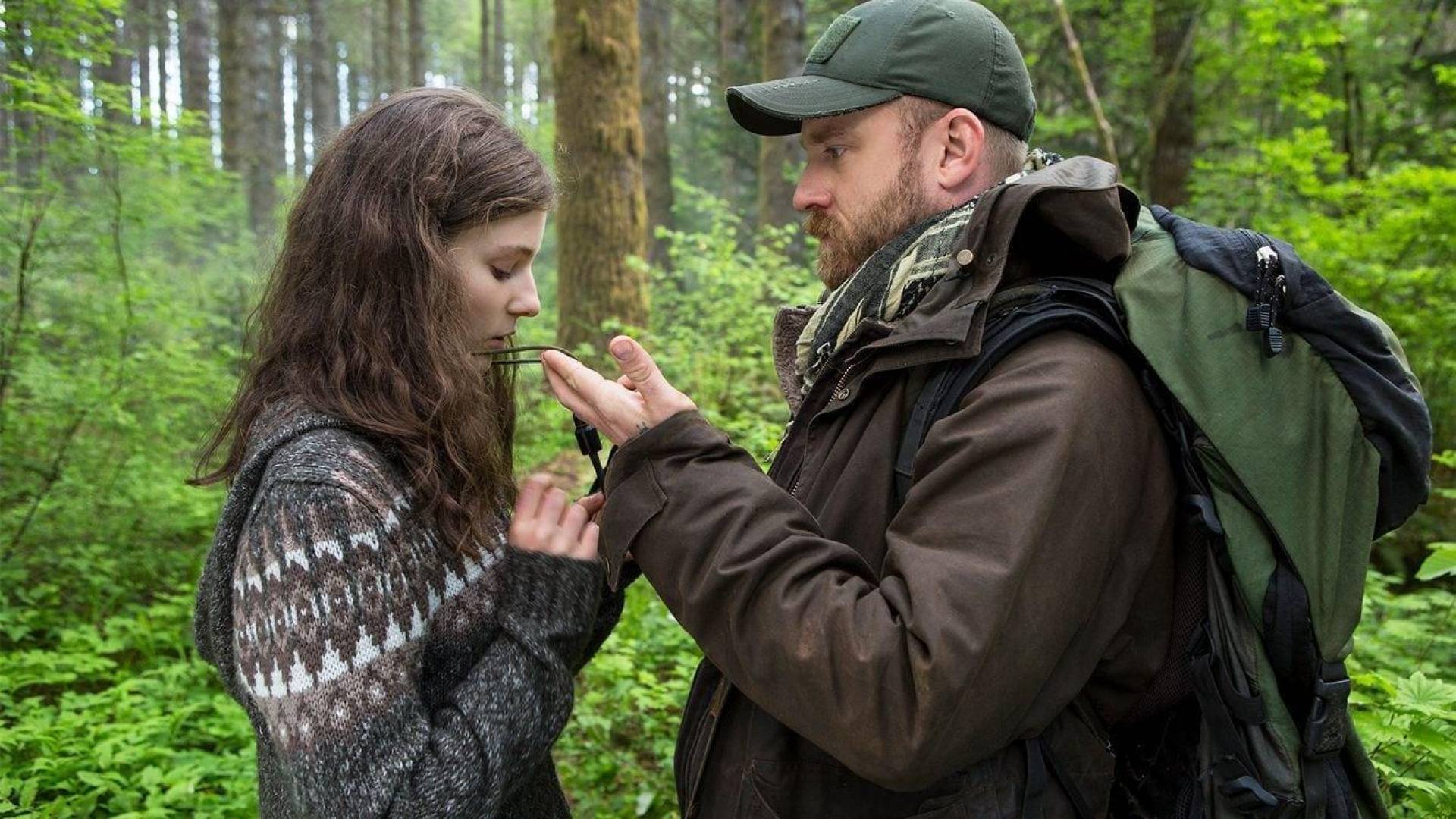
• Leave No Trace (Debra Granik) (2018)
• Once Upon a Time in the West (Sergio Leone) (1968)
• Girlhood (Céline Sciamma) (2014)
• Audition (Takashi Miike) (1999)
• Ride the High Country (Sam Peckinpah) (1962)
• The Watermelon Woman (Cheryl Dunye) (1996)

These are honest, sincere lists of films I love and consider important. I could happily do this for hours – I’ve got ideas for dozens more combinations without any repetition of films. So far I've used well-known films too. Spend a little time on Letterboxd to get a sense of how many interesting films out there waiting to be rediscovered and reappraised.
It’s a good way to reflect on weaknesses in your film knowledge – for me that’s Africa, especially and films by African American creators pre 1980. But it’s also to see how hard it is to get hold of whole swathes of important films – loads of the films in Cousins’  Women Make Film are inaccessible or prohibitively expensive. Films like Sugar Cane Alley are just a fond, long lost memory from decades ago.  So, for many film enthusiasts even finding films beyond the white canon can be hugely challenging. 

One last thing occurred to me - an objection someone could make - if I continued making lists like this would I run out of films by women or people of colour whilst still leaving plenty of gems by white men unlisted? Maybe, but a better question.... is if films were easily available how long would it take me to watch all those films by women and people of colour and what gems would I find to fall in love with? Cousins' film makes me believe the answers would be a long time, and a lot.

Friday, 13 March 2020

By Force Alone - random thoughts!

Be aware..
I haven't written anything for about 2 years! 
ALSO
Read an interview with Lavie here – I think it is fair to say that the author of By Force Alone might be slightly bemused by what follows! His starting point and mine are a long way apart. Though, I should say, I loved it.

I – anatomy of a love – ancient forests, greenery, winter, music.

I don’t know when I first saw John Boorman’s Excalibur but it was at some point during my teen years and I fell for it hard. I still love it – it is bonkers in all the right ways: low comedy and inflated gravitas (is that a tautology!?); weird giggles and absurd seriousness; Nigel Terry and Nicol Williamson! Later I tried watching BBCs Merlin and hated its tepid lack of risk and anaesthetising safe-blanket of mediocrity (lol).  Camelot, despite the mad genius of Richard Harris, Vanessa Redgrave and Franco Nero is unwatchable. I didn’t really watch Robin of Sherwood when it was first on – we were one of those bizarre households that shied away from ITV - but I watched the repeats. Actually I can watch almost any incarnation of Hood and be happy. As a (young) 13 year old I loved the mysterious wintery atmosphere of the BBC’s Box of Delights. Weirdly perhaps I associate Blakes 7 with all of this too, partly to do with tone and atmosphere. A favourite episode was/is Season 1’s Project Avalon – even the word is enough to set me off - and there were enough woods and forests in various episodes to reinforce the connection. The evocative music that accompanied all of these – Wagner and Orff (yes, problematic I know), Victor Hely-Hutchinson’s Carol Symphony, Clannad (!), THE BLAKES 7 THEME (!!) – were all incredibly important for connecting meaning, atmosphere and tone in my yearning, impressionable brain.
Clearly I am a child of popular culture. No Geoffrey of Monmouth or Thomas Mallory for me, even in adulthood. Later in life I relished Robert Holdstock’s Mythago Wood and Marion Zimmer Bradley’s The Mists of Avalon. As a school librarian I finally got round to Alan Garner (love) and Susan Cooper (wanted to love) too. There is something about the mystery and the history of it all that I find irresistible. Plus I love swords and monsters, weirdness and witches, ancient forests and dreams of a better world. So can I happily romanticism all that Celtic, foresty, standing stones, myths of Britain nonsense? Indubitably yes. 
Love and critique can go hand in hand of course - my other favourite Arthurian tale is Philip Reeve’s Here Lies Arthur. And I’m sure there have been other irreverent takes on mythic Britain without having to reference Monty Python and the Holy Grail.
But is the residing emotion in all this nostalgia? Or something infected with nostalgia? Well, I think there are good reasons to appreciate, or love, all the books, films and TV programmes above. By Force Alone critiques the Arthurian legend - and rightly so – but it is also imbued with wonder and mystery, weirdness and a surreal atmosphere at one with many of those other loves.

II – patriotism, yawn.

By Force Alone raises questions about nationalism, Englishness and other thorny issues and so is extremely relevant and topical.
We’re being fed the poison of nationalism in larger and larger doses by a ruling class beginning to choose reaction, and fascism, over democracy and law.
We’ve always had progressives, from George Orwell, through Billy Bragg to Rebecca Bailey Long try to reclaim patriotism for the left. Now we have the reactionary environmental nationalism of Paul Kingsnorth and his ilk crystallizing into even more dangerous formulations as the Right comes to terms with the climate crisis. Nationalists call on every resource they can summon up to convince us that Englishness is a Thing to be treasured and protected, nurtured and returned to its former glory. 

III – anachronism (and I don’t mean the Blade Runner or the Talking Heads references)

The risk with anachronism in By Force Alone is that you might reinforce the idea that certain concepts and ideologies really did exist before their time. That risk – when it comes to ideas about nationalism – is worth considering because most people are unaware of how new these ideas really are. Most nationalists won’t have read Anderson, Gellner and Hobsbaum, let alone recent books by Valluvan, Niven and others. Nor will they care. They are content with spinning common sense, founding myths, supposed golden ages and the rest. Does By Force Alone destabilise and ridicule nationalism whilst still, paradoxically, keeping it in place? [Genuine question and I would have to reread the novel to take it, and myself, more seriously]

IV - serendipity

I knew nothing about By Force Alone. It has just been serendipity that my renewed ability – more, urgent need - to read coincided with a new Tidhar novel. Arthur, Excalibur, Camelot…wtf, I thought. But I love Tidhar’s writing so…wtfn, I thought.

V – the profane and the sacred

There is some on the nose silliness in this novel. There are parts I might even call cheesy. There were moments when I worried that writing nationalism back into the Dark Ages, as discussed above, was a dangerous game. There were moments when this reader who generally tries to think the best of his fellow humans was dismayed by the tired view of humanity, the violence and the miserableness on display.

BUT

Tidhar uses bathos and anti-climax in VERY funny ways. It is funny in a way that reminded me of Douglas Adams. I’d suggest that this is more Hitchhiker’s Guide for the 2020s than a companion to the novels of Richard Morgan or Joe Abercrombie. I was reminded again of comparisons I made between Tidhar and Mike Harrison when I reviewed Central Station. Something to do with skill involved in the use of lists and language, and the way they build their worlds.
It works as a bestiary and compendium of mythical Britain. It works as a book of monsters. It works because Tidhar’s love and relish for the writing of all this stuff is so apparent. It works because somehow it is incredibly moving – despite the Pythonesque irreverence, the changes in tone that should be jarring, the abundance of references to popular culture that should be jarring. It works because, somehow, the book manages to set its righteous anger and its harshness alongside genuine compassion. It works because it is, to sound far too much like a blurb, a work of wonderous imagination and extraordinary skill. It works because there is reverence for history, for learning and the wonders of the universe that sits side by side with its low humour and burning fury. It works because of the ZONE!

VI – a disagreement

Warren Ellis has just recommended the novel and concludes that it is “very, very cold”. I couldn’t disagree more. It’s full of heart. If Tidhar’s Guinevere has a little bit of The Bride in her then By Force Alone is for me is more Kill Bill than Goodfellas (make sure you read the interview above!). And I think Kill Bill has a LOT of heart. I raced through it, and kept trying to slow myself down so I could relish the details. Fool that I am, it made me cry. I loved it. I refer you to Part I….

VII

Don’t you love how the sequence of your reading raises new questions and forces you to rethink? The book I’m reading now is also mind-blowingly good (in very different ways) - Hurricane Season by Fernanda Melchor and translated by Sophie Hughes. Blimey, if I thought there was some pessimism and misanthropy in By Force Alone then I’ve been forced to rethink!

Tuesday, 14 January 2020

Little Women and the climate crisis.

I wrote this for Letterboxd and am posting it here in the hope I will continue to write again.

I’ve seen this twice now. Let me begin with where I stand on the main issues: 
• I love Gerwig’s direction and most of the choices behind the camera – though, does Alexandre Desplat’s score lead us a little too often? Yes.
• Don’t hate me BUT I am, it seems, one of the few human beings unconvinced by Saoirse Ronan and Timothée Chalamet, but they’re both great here and, as awful – racist, sexist - as the Oscar (and Bafta) nominations are, I believe she totally deserves her nomination. She is FANTASTIC.
• Is it feminist enough? This is a debate on the left with which you may be unfamiliar. It’s partly, but far from completely, a book v film argument. I don’t like the book and cannot remember all the details so I try to judge the film versions on their own merits. I like that we get more of older Amy, I like the ending. I like the time-altered structure that may on occasion be a little awkward – the repetition on Beth’s death scene? – but more often gives us interesting and thoughtful juxtapositions…
• …and so it seems to me that we still, urgently, need narratives about sisterhood, community, play, kindness and compassion that intertwine with stories about equality and justice, self-definition and self expression, the need for art and artists and much more.
• It is, like the other great adaptations, a big, warm hug of a film that gives us a serious tale wrapped up in nostalgia, beautiful landscapes, warm and comforting interiors, familiar and relatable characters…
• …thus Gerwig begins her film with that title card: “I had lots of troubles; so I write jolly tales.” Despite her structure and the playful ending …
• …this is still a very familiar kind of film. It runs on a very fine border between earned sentiment and universal sentimentality. It runs on a fine distinction between hope and optimism. It runs on familiar structures – and yes, to take one example, Beth’s death feels like a very familiar device that allows us to feel the pain of loss but with a very quick closure and without the real-life consequences of such a loss. It is sad but cathartic rather than challenging or difficult. I do, of course (!) cry at Beth, the piano and Mr Laurence - AND try to read it in terms of loss and love - BUT Little Women glosses over, in a very romantic way, class conflict. 

And that’s where my problem lies. First let me be clear that I’m not picking on this film. I’d happily have Little Women win Best Picture over most of those other snooze fests/really stupid films/tired late works. I’ll watch it again with great pleasure. It’s just that at the beginning of the new decade somehow my questions and thoughts won’t be swallowed down any more.

My problem is with fantasy and nostalgia. My problem is with happy endings. My problem is with carrying on as normal. My problem is with rushing things and glossing over pain and distress. And even though I know I’m entering a dangerous maze-like path - the idea that we should be prescriptive in any way when it comes to art has always been abhorrent to me - I’m wondering if there are films we need far more.

Time is running out. I still feel like a mad person for saying it but the evidence in 2019 was OVERWHELMING. Think of it as Year 1 of the new normal and that things are only going to get worse. I’m not suggesting that people won’t find ways of fighting back or that there won’t be resistance – we will be forced to fight back and sometimes they will succeed. I am suggesting that we’re already locked into enough warming that we are facing challenges – political, social, practical – that we haven’t got answers for – and that billions will suffer or die as a result. And much sooner than most people can imagine. Happy endings are running out. Normal lives – or what white people in the developed world thought of as normal – are coming to an end. And as usual it will be poor and working class people of colour around the world who will suffer the most to begin with and always.

This HAS to have consequences for art doesn’t it? The art that we need to imagine differently. The art we need to reflect (?) the perilousness of our circumstances. The art that will provide a sense of ‘Pessimism of the Intellect, Optimism of the Will’ [and maybe Little Women gives you that?] The art that will help us chart a path between giving up or stupid optimism, or between waiting for others to lead the way or forging a path ourselves.

And my sense is that we have to start challenging every little degree of fantasy and sentimentality in our treasured narratives that pretend to make sense of the world or give us hope for the future. My whole experience of art - actually it's my whole experience of life and making decisions - is being framed in a new way: part of my brain is now, always, screaming “But, we’re running out of time” "Wake up!" “Half of the world is in the grip of vile nationalist governments with fascism just around the corner”

I wish I didn’t hear that scream but I know I need to listen to it

Monday, 24 December 2018

Films of the Year 2018


2018: the return of Lucrecia Martel and Debra Granik; 2 films from Sebastián Lelio; masterpieces from Alfonso Cuarón, Hirokazu Kore-eda, Valeska Grisebach and Andrea Arnold; some of the best YA films ever (hyperbole - me!?). Plus, who would have believed Paul Schrader could still make a film this good? Why hasn’t Widows received the praise it deserves? Why haven't you all seen Faces Places???

It has been a truly awful year in many ways but a rare one for movie lovers. Most of the films listed below raise significant political and social questions without ever offering complacent answers. I've put a couple of crowd pleasers in the top 20 just to show that I haven't lost my genre roots - there just hasn't been a Logan or a Fury Road to get behind this year so I've fallen back on other old loves - musicals and YA movies.

There seem to be more films being made in the US by black filmmakers. Moreover it's the range of tone and style that is just as exciting as the number being made. People might wonder why The Hate U Give places higher than more formally inventive films like Blindspotting, Sorry to Bother You and BlacKkKlansman. I'm a sucker for a good YA film anyway but I also watched it with an audience mainly composed of young black and Asian youth who responded to it as I did with oohs and aahs, tears and indignation. It even got some applause at the end - fairly unusual in Birmingham cinemas. I persuaded 9 other people to see it in the week that followed. We need subtle examinations of our broken societies, we need acerbic satires but we also need the odd, rousing call to arms wrapped up in a coming of age drama that everyone can appreciate. If you didn't see it I urge everyone to support it when it comes out on DVD/streaming etc. Note too that Life and Nothing More - a fine neorealist take on poverty, racism and working class lives in the US - is easy and cheap to stream.
There are are more must-watch films coming to UK cinemas early in 2019. I can't wait to see Hale County This Morning, This Evening, If Beale Street Could Talk and Regina Hall in working class comedy Support the Girls.

It should be easily evident that many of those films below feature fantastic roles for women. If you haven't already, make sure you watch Leave no Trace, A Fantastic Woman and Shoplifters. They are, anyway, beautiful, mesmerising and urgent films but they also feature performances by Thomasin McKenzie, Daniela Vega and Sakura Ando that are - I'm not sure what words to use really - otherworldly, fierce and profoundly tender: subtle yet eye-catchingly perfect. The criticisms of Roma are fascinating but watching it for the second time I find myself thinking about the performance of Yalitza Aparicio more and more. Finally I'd urge you to watch Beast. It's a fairy tale noir that had me thinking about all the noirs and anti-heroes I've loved before - Jessie Buckley in the lead role is mesmerising.

And yes, then there is Zama. The Headless Woman and La Nina Santa are films I've watched repeatedly, studying the unique techniques and tones of Lucrecia Martel and now we have another film to study, appreciate and love. For some this will be a hard sell but I would urge you to give it a go.

If you need to be convinced further there are plenty of great articles around that will provide clever and subtle insights. Try Sight and Sound, Little White Lies, Variety, Roger Ebert, Film Comment and the Guardian.

There is little here that you won't find on many of the 'Best of' Lists so its easy to find reviews and recommendations, context and background.

My top 5 in a Sight and Sound stylee:

  •    Zama (Lucrecia Martel)
  •    Leave No Trace (Debra Granik)
  •    A Fantastic Woman (Sebastián Lelio)
  •    Roma (Alfonso Cuarón)
  •   Shoplifters (Hirokazu Kore-eda)
Related image

I usually have a top 10 (or twelve) but this year it’s a Top 20! 


Image result for Shoplifters
  1. Zama (Lucrecia Martel)
  2. Leave No Trace (Debra Granik)
  3. A Fantastic Woman (Sebastián Lelio)
  4. Roma (Alfonso Cuarón)
  5. Shoplifters (Hirokazu Kore-eda)
  6. The Hate U Give (George Tillman Jr.)
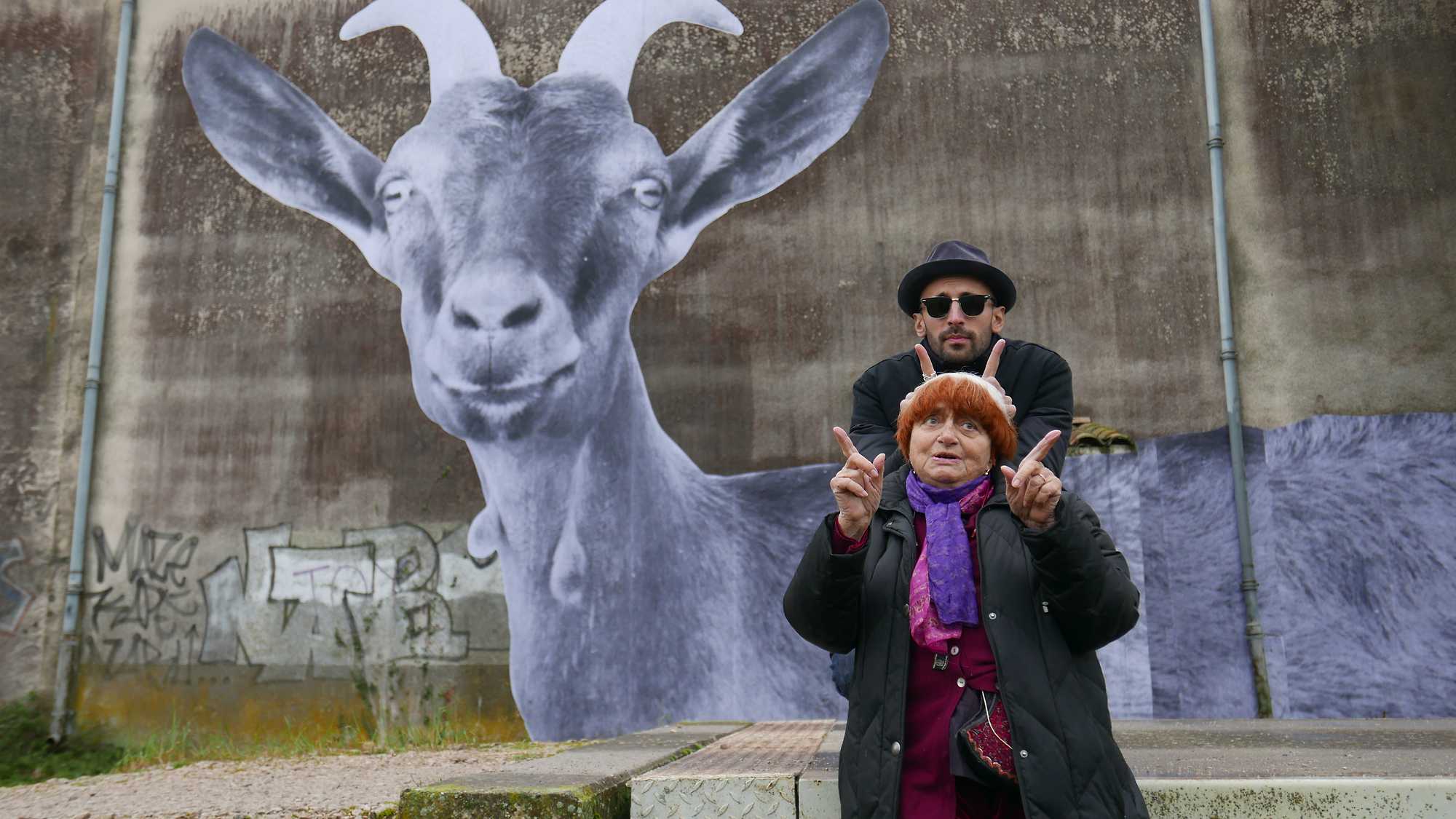
  7. Faces Places (Agnes Garda)
  8. Western (Valeska Grisebach)
  9. You Were Never Really Here (Andrea Arnold)
  10. Loveless (Andrey Zvyagintsev)
  11. First Reformed (Paul Schrader)
  12. 120 BPM (Robin Campillo)
  13. Cold War (Paweł Pawlikowski)
  14. Blindspotting (Carlos López Estrada)
  15. A Star is Born (Bradley Cooper)
  16. A Ballad for Buster Scruggs (Coen Brothers)
  17. The Miseducation of Cameron Post (Desiree Akhava)
  18. Sorry to Bother You (Boots Riley)
  19. Sweet Country (Warwick Thornton)
  20. Love Simon (Greg Berlanti)
Image result for First Reformed


I would happily watch all of these again too and on a different day some of them would be in the top 20:
  • Life and Nothing More (Antonio Méndez Esparza)
  • Widows (Steve McQueen)
  • Jeune Femme (Léonor Serraille)
  • BlacKkKlansman (Spike Lee)
  • The Square (Ruben Östlund)
  • The Breadwinner (Nora Twomey)
  • I, Tonya (Craig Gillespie)
  • Beast (Michael Pearce)
  • Annihilation (Alex Garland)
  • Disobedience (Sebastián Lelio)
  • Coco (Lee Unkrich)
  • Apostasy (Dan Kokotajlo)
  • Summer 1993 (Carla Simon)
Note too that The Golden Pear Tree (Nuri Bilge Ceylan) is my Christmas morning film this year and so that isn't included.


Image result for Faces Places


What is everyone else watching?
Of the top 100 grossing films in the UK this year I've seen 25. I have no desire to watch most of the others - maybe another 10 when they are free on TV. I went to the cinema 2 or 3 times a week for the best part of 10 years and saw all  kinds of instantly forgettable crap. Never again! What's noticeable is the quantity of children's films and the number of poorly reviewed blockbusters that are on the list. So, great that families are going to the cinema but, obviously, you have to ask what part critics play in cultural debate amongst the majority of working class people and since the answer is probably not much, should anyone care? 

Bourgeois
It's always been the case that most of the films I watch are from Hollywood or the art-house circuit. I often wish there were easy (and cheap) ways of seeing other films and more documentaries as it's clear there are a different layer of films out there. So I would point you to the Louis Proyect Blog. He is fun to disagree with and there is a lot to discover in the films he reviews and searches out.

Discursive
Many of these films will generate some sharp disagreements and discussions I suspect. I loved the experience of watching BlacKkKlansman for instance but Spike Lee made some very debateable decisions with the source material. Owen Glieberman poses some fantastic questions about First Reformed in his Variety articles. There are two differing opinions on Zvyagintsev's Loveless in Sight and Sound, and so on  There is much to be discovered if you find yourself fascinated, angry or confused.

Disappointments?
I LOVE most Wes Anderson movies but have no desire to see Isle of Dogs ever again. Oscar season was fine but somewhat forgettable – I enjoyed The Shape of Water, Lady Bird, Three Billboards Outside Ebbing, Missouri. As for Phantom Thread? I'm not convinced and though i'm usually happy to watch Paul Thomas Anderson's films again and again, I'm not eager at all with this one. I may be wrong though.... Finally A Gentle Creature...I like, often love, tortuous and difficult eastern European films and I'm a Sergei Loznitsa fan but I'm not sure about this. Nor am I ready for a second viewing quite yet! 

Guilty pleasures?
I Tonya and Thoroughbreds are terrific and there is no guilt involved whatsoever. BUT…I left my brain at home when I went to see Molly’s Game and enjoyed it too much - It has all kinds of the usual Aaron Sorkin related issues! And yes, I almost put Red Sparrow in my Top 20. A violent thriller with a Hollywood goddess in the lead role - what's not to love?

Blockbusters
I saw a few of them - less than usual perhaps - and enjoyed Deadpool 2 and Mission Impossible. I realize why Black Panther is so important and so unusual - I did a lot of reading and listening, and I learned a lot. I loved the women, but thought the men were a little lacking in charisma and thought the last half hour was pretty dull in a generic superhero film kind of way. Please don’t hate me!

Genre
Hereditary, Mandy and A Prayer Before Dawn are all worth watching and will generate much discussion! I enjoyed A Quiet Place but wonder if it is somewhat reactionary. And what about Revenge? I'm not confident that it is the feminist indie it thinks it is but I kind of loved it and will look forward to the next film from Coralie Fargea. 

Missed!
Of note, I still haven't caught up with The Rider, Dogman, Bad Times at the El Royale, 22 July, The Happy Prince and Shirkers. And many more! Less than a hundred films this year so I'm sure there are, especially, plenty of documentaries and independent worth watching. Also these lists are Africa and Asia lite. Birmingham IS a difficult place to watch new films but I suspect the market for independent foreign movies is diminishing? And Peterloo? I've hardly ever liked a Mike Leigh film and just couldn't be arsed. :-)


Bollywood
Just give me an F. I mean to start again in the New Year with renewed vigour ;-)

Wednesday, 12 December 2018

Interlude


“I'm afraid of people who claim their experience of themselves & the world isn't fractured & fragmentary, when it clearly is; but I'm even more afraid of people who genuinely don't experience things that way.” M John Harrison

   April to November was lost to depression, an accompanying anxiety and some middling (for me) self-destructive behaviours. I call it depression but more accurately it has been about grief and despair. It felt like all my usual safety valves were missing and I was unable to look away. Some of this was about myself – approaching middle age and unable to imagine a way forward, a way to live and thrive - and some to do with my family – I’ll let you off that part.

   But the personal stuff is intimately connected to the much larger grief of the social and political – homeless people everywhere, refugees treated like criminals, the people of Syria and Yemen left to die, the hourly violence directed at people of colour and women, the daily inequality and injustice, the rise of the right and of fascism, the extraordinary stupidity and venality of politicians and of course, more than anything, the accelerating environmental crisis. I have been unable to shut it out. Often the horror of a present and a future I can clearly see has eclipsed any sense of daily pleasure, wonder or satisfaction.

   I suspect I am not alone in this.

   I have largely been unable to read – the readers amongst you will know how painful that is. Fiction has felt pointless. I hate that I’ve felt that way. Movies, a constant source of emotional stability, sustenance and inspiration since I was young, have felt pointless too, though I have, almost on muscle memory, still managed to visit the cinema occasionally.

  The current mini project of posting images on Facebook – I’ve posted an image a day for 10 days of movies that had an impact on me aged 6 to 11 – has thus been a small way to reengage with myself and with memory and what is important. A bit of therapy perhaps. Though I need to go back to the £60 a week variety!

The movies I choose, in the order I saw them, were:
·         Watership Down (1978)
·         West Side Story (1961)
·         North by Northwest (1959)
·         Singing in the Rain (1952)
·         Close Encounters of the Third Kind (1977)
·         The Magnificent Seven (1960)
·         Planet of the Apes (1968)
·         Some Like it Hot (1959)
·         Elmer Gantry (1960)
·         All the Presidents Men (1976)

   Already you start to see the main influences. Westerns, musicals and SF were part of the family geography that remain lifelong loves – little islands of stability and meaning in a household that was becoming increasingly dysfunctional (or maybe I was just becoming more aware of the disfunction). More than that I was already watching lots of films by myself – hundreds of westerns certainly, but also Hollywood films of all kinds from the 40s, 50s and 60s that were a constant on the nation’s 3 channels back then and increasingly the political cinema of the 70s. My love of movie stars, of glamour and beauty, of romance, of melancholy, of screen violence are all there too. All have remained, and for a socialist and critical thinker, it is hard to admit that some of those superficial elements are still central to my dreams and desires. I am still beguiled by beautiful charismatic men and women. If they can sing and dance too…

   My memory is terrible but I can remember the feeling of watching all those films for the first time – the wonder and the weirdness, the joy and excitement and, more than anything, a huge and complicated world being revealed to me. The yearning to connect and to escape my loneliness is ever present but on most days of my 47 years if you’d offered me the choice of a good film or the chance to go out and meet people there would have only been one answer.

   There are 5 films that didn’t make it though they were probably just as influential:
·         Star Wars – obviously perhaps. Growing up in the late 70s the new blockbusters would have a huge impact on many of us.
·         Superman 1 and 2 – Christopher Reeve and Margot Kidder!!! Duh!?
·         True Grit – I watched all the John Wayne films again and again. This is still a brilliant, beautiful film. And it has Glen Campbell!
·         The Jazz Singer – what can I say? Neil Diamond was big in our house.
·         Grease - a rare trip to the cinema with the women of my family: my mum, sister, auntie and cousin.

Pink Ladies Grease Quotes. QuotesGram

I’m going to continue with the project and hope that I can start writing a little. I have started lists for my teen years and for my adult years. Already I don’t how I can cut numbers down and how I will avoid editorializing. What have I forgotten? What don’t I want to admit? What has changed? How can I place things in order when my memory is so hazy? How do I separate out the moments that formed me from the ones that didn’t? How does one avoid it becoming an exercise in nostalgia? Luckily, more than ever I don’t care what people might think. Woody Allen, Sam Peckinpah, Clint Eastwood and various other divisive figures will all feature. Better the truth – as near as I can get to it – than a definite lie.

For anyone out there going through a difficult time I hope you get through it. I’m 6 weeks without hitting self-destruct and 2 weeks back at the gym. Baby steps. And just about able to engage with some of the things I love. People? They are still a way off.